Seeing Behavior Through the Lens of the Environment
What if the behavior you’re seeing is partly a message from the environment?
Walk into a preschool classroom five minutes before cleanup and you can almost feel the energy shift. Children start bumping into each other, voices rise, arguments appear “out of nowhere.” It is tempting to label this as a behavior problem or to focus only on individual children. Yet what you are really seeing is the environment’s impact on classroom management in real time.
Children do not behave in a vacuum. Their choices are shaped by the room arrangement, the noise level, how long they wait, what they can reach, and how clearly the day is organized. When you intentionally design the environment, you are not just decorating the classroom—you are actively supporting prevention, regulation, independence, and smoother classroom management.
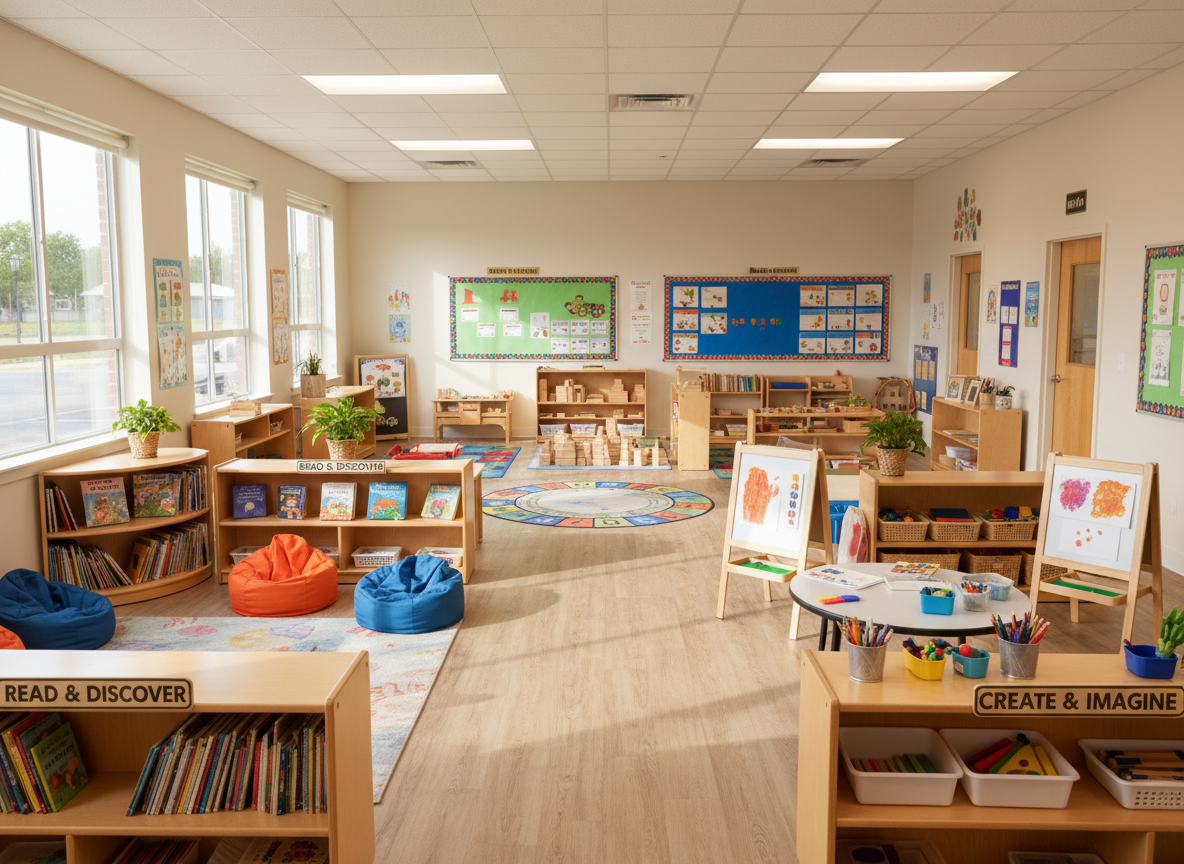
From “What’s Wrong With Them?” to “What Is This Space Telling Them?”
A powerful shift in practice happens when you move from blaming children (or yourself) to observing the environment. Instead of asking, “Why won’t they listen?” try, “What is the room encouraging them to do right now?” This frame keeps you curious and professional. It invites you to study patterns, adjust the setup, and view yourself as a designer of experiences, not just a responder to behaviors.
Before changing rules or consequences, pause to notice: Where are children most dysregulated? When do conflicts spike? Which routines fall apart consistently? Often, the clues lead back to the physical and sensory world you and the children share every day.
How the Environment Shapes Behavior: Key Elements to Notice
Look for This
- Are pathways crowded?
- Can children reach materials independently?
- Are there too many choices?
- Is the noise level appropriate?
- Do children know what happens next?
Room Arrangement and Crowding
When pathways are narrow or centers are squeezed together, children bump, jostle, and crowd one another. That physical tension quickly shows up as pushing, grabbing, and shouting. A block area wedged into a high-traffic corner, for example, almost guarantees collisions and power struggles over space.
Support children by creating clear, wide paths and defined areas. If you notice a “traffic jam” spot, treat it as data and rearrange. A small shift—like rotating shelves to create a natural entry and exit—can dramatically reduce conflict without a single new rule.
Noise, Sensory Demands, and Visual Clutter
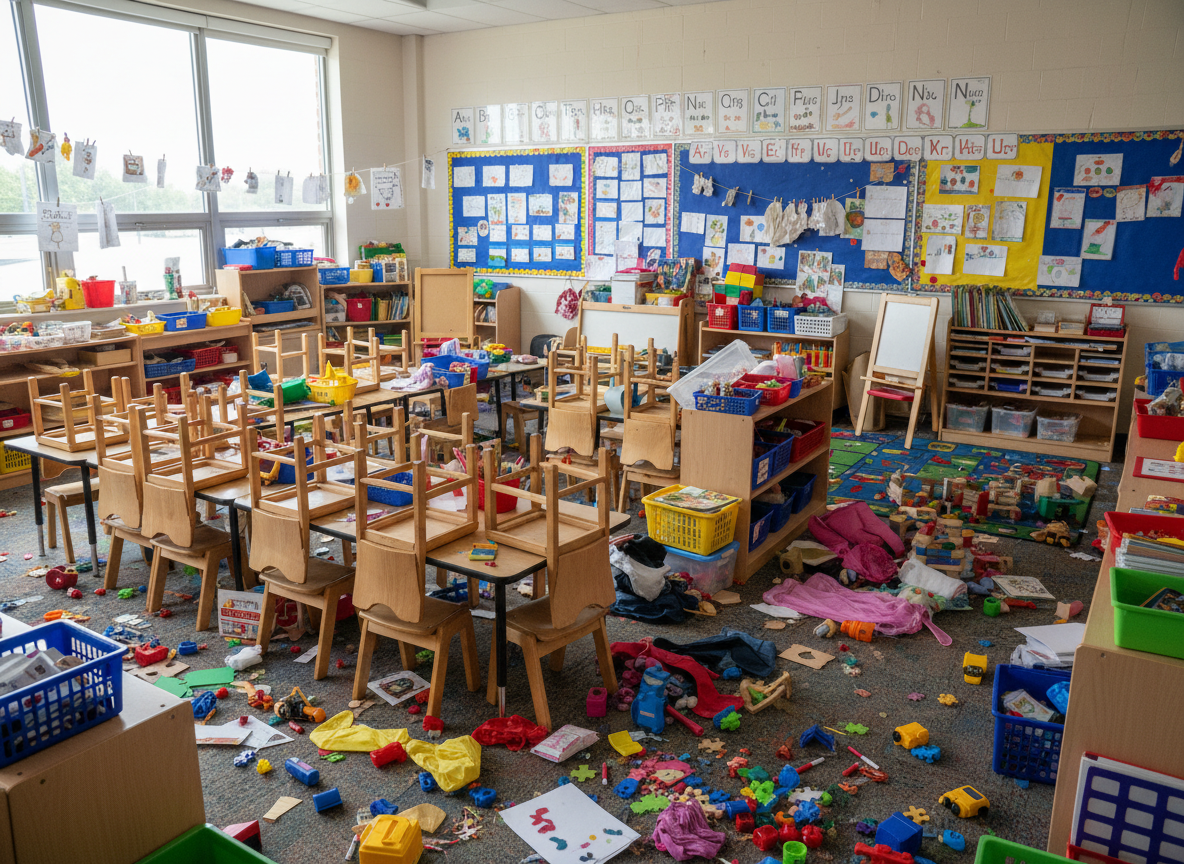
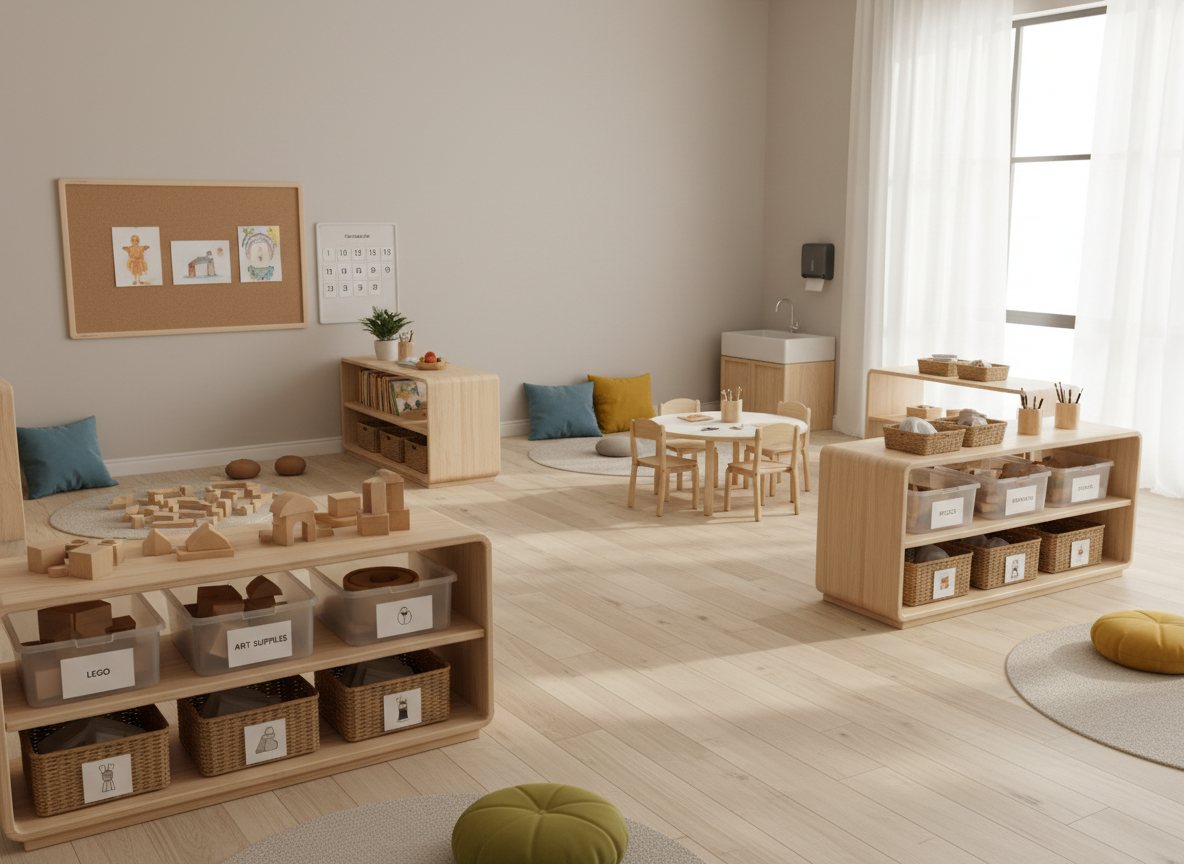
Constant noise, bright colors everywhere, and busy walls can be overwhelming, especially for young children who are still learning to regulate their bodies and attention. When the environment never “rests,” children tend to get louder, move faster, and shift activities quickly.
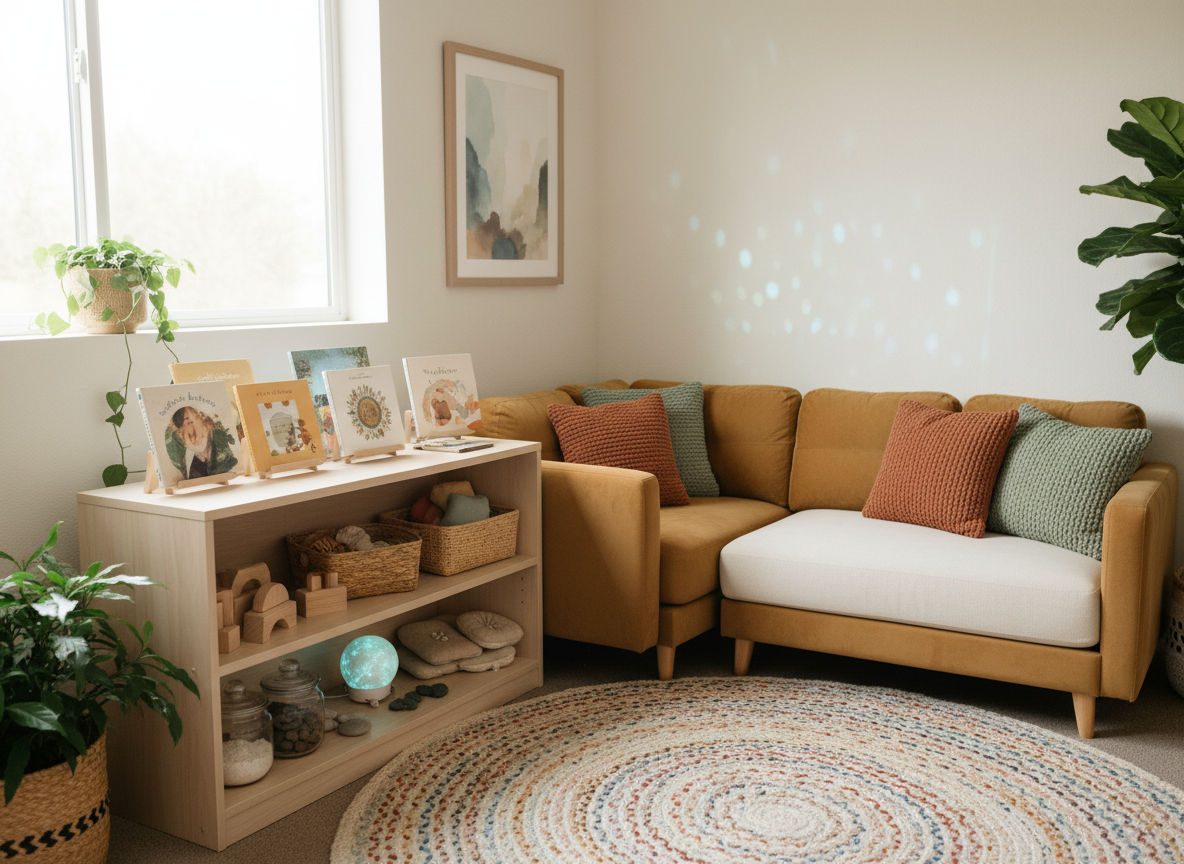
Notice when the classroom feels loud or visually busy. Are there softer spaces—like a cozy corner with fewer materials and calmer colors—where children can reset? Do you have times in the day when music and voices both go down together? Small sensory adjustments can make it easier for children to stay organized and responsive.
Transitions, Waiting, and Predictable Routines
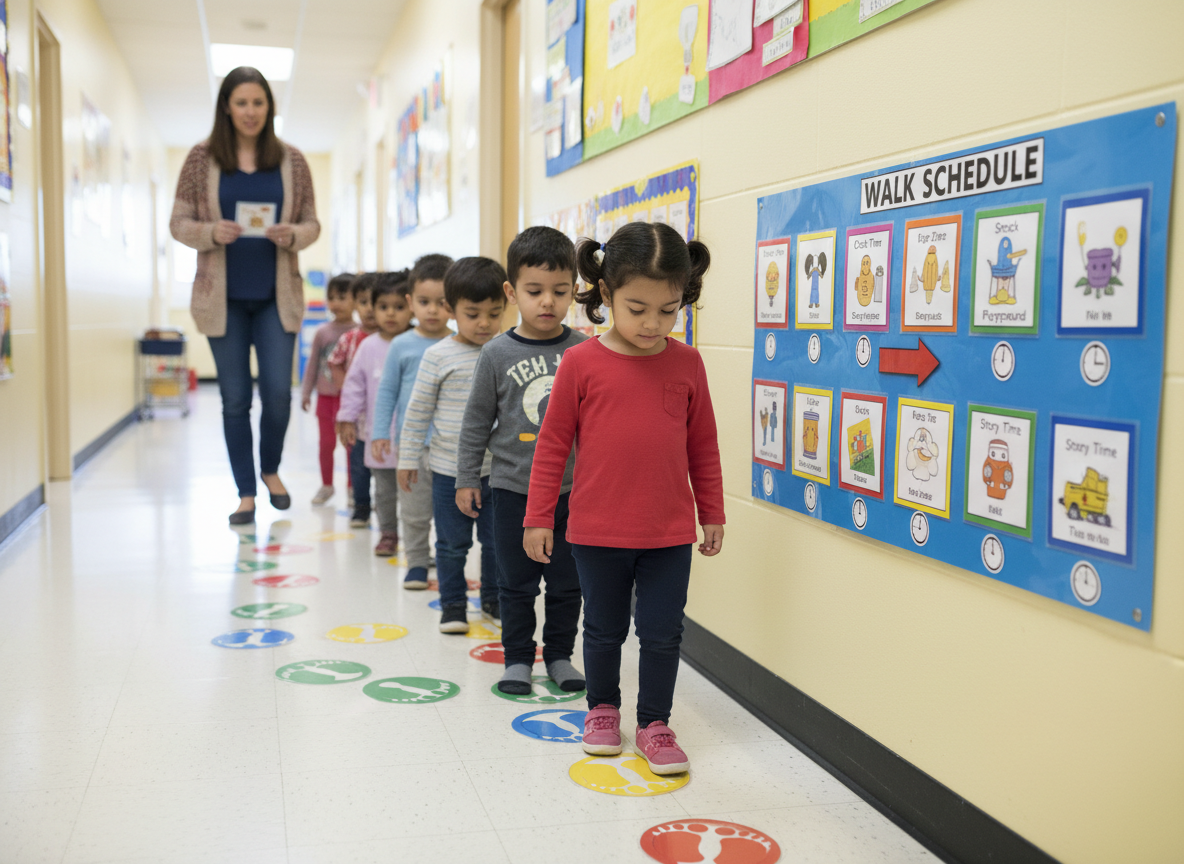
Many challenging moments happen not in centers, but in between them: lining up, washing hands, waiting for snack, or cleaning up. Long periods of waiting without a role invite wandering, calling out, and power struggles. Unclear routines add confusion and anxiety.
Predictable routines—supported by simple visual cues—help children know what comes next and what is expected. A picture schedule at their eye level or a series of cleanup photos near each center gives children concrete information, reducing the need for repeated verbal reminders and corrections.
Access to Materials and Opportunities for Independence
When children must ask an adult for every crayon, puzzle, or tissue, waiting time grows and power struggles multiply. Limited access communicates, “You are not ready to manage this,” even when children are fully capable with some guidance.
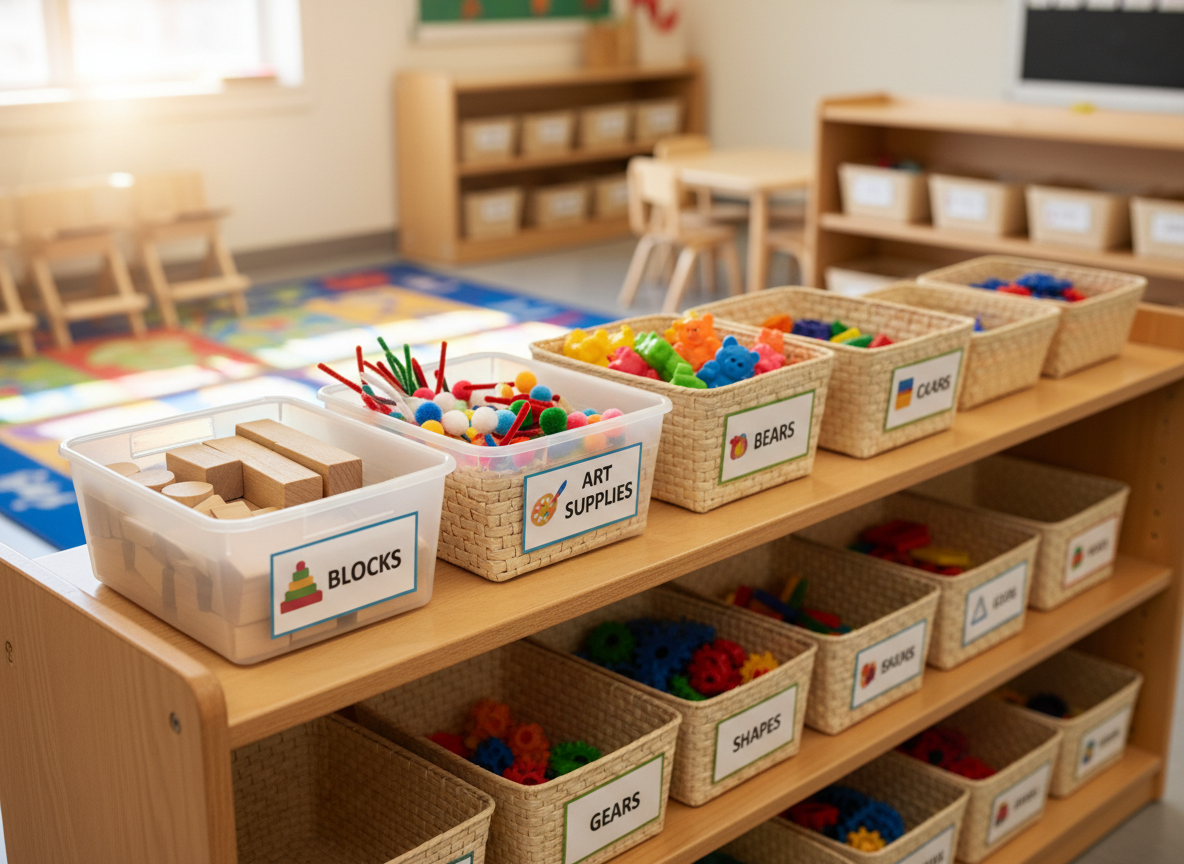
Thoughtful organization—labeled bins, open shelves, clearly defined quantities—invites children to act independently. As independence grows, you spend less time directing every small action and more time coaching social skills and deepening learning.
Practical Shifts You Can Try This Week
You do not need a renovation or a new budget to see meaningful change. Start with small, intentional adjustments and observe how they affect behavior and your own sense of calm.
Choose a time of day that consistently feels chaotic—perhaps lining up to go outside. Watch it closely for two or three days. How long are children waiting? Where do they bunch up? Who does not seem to know what to do?
Then, adjust the environment to give children clear roles. Place floor markers showing where to stand, set out a small basket of “line jobs” (holding the door sign, carrying the class book, checking the lights), or create two shorter lines instead of one long one. Notice how these shifts reduce wandering and blurting without adding new consequences.
Identify a center that often turns chaotic—maybe the art table overflowing with every type of material. For one week, reduce the choices. Offer a limited set of materials in clear containers with matching labels. Store extra options out of sight and rotate them in gradually.
Observe whether children stay engaged longer, share more easily, and clean up with less support. Simplifying the environment in this way supports focus and self-regulation without you needing to hover or repeat directions.
Design a small area of the room where children can go to regroup. Include soft seating, a few sensory tools, and visual cards that model calming strategies like breathing or stretching. Make sure this space feels inviting and accessible, not like a punishment.
Introduce it during a group meeting: “This is a place anyone can use when their body feels too busy or too tired.” When children have a safe physical space to reset, they build internal regulation—and many escalations end before they begin.
Move key visual supports—like the daily schedule, cleanup pictures, and job charts—to where children can easily see and touch them. Involve children in reviewing these visuals throughout the day instead of relying only on verbal directions.
Over time, children begin to reference the visuals themselves: “Look, after snack we go outside.” This shift builds independence and reduces repeated reminders, freeing your attention for connection and coaching.
Observation as a Professional Practice
Intentional observation is not about finding faults; it is about gathering information to support better decisions. When you study how children move, wait, and interact in your space, you are practicing at a high professional level. You are saying, “I can shape this environment to help children succeed,” rather than “I just have a difficult group this year.”
This mindset strengthens your confidence. Each small environmental change becomes a strategy you can refine and carry into future classrooms. Over time, you build a toolkit that makes both behavior and classroom management feel more predictable, purposeful, and aligned with your values as an educator.
Reflect and Takeaway
As you look around your classroom this week, ask yourself: What is this environment teaching children about how to move, wait, share, and calm their bodies? Your answer will guide your next powerful step.
Ready to deepen your practice? Read my preschool behavior book, 10 One-Page Fixes: Real Answers for Preschool Behavior Problems.
Key takeaway: Behavior is not only about individual children or teacher responses. When you thoughtfully design room arrangement, transitions, visual cues, access to materials, and sensory experiences, you actively shape the environment’s impact on classroom management—preventing many challenges before they start and empowering children to regulate and act with greater independence.
— Cristina


Leave a comment