By Friday, the week’s behavior patterns are easier to see—especially the moments that felt loud, defiant, or draining in your classroom.
Those behaviors are not random. They are children communicating through actions what they cannot yet express with words: “This is too hard,” “I don’t feel safe,” “I need connection,” or “I don’t know what to do next.” When you pause at the end of the week to notice when and where behaviors were most challenging—during transitions, after lunch, in crowded spaces, or when waiting and sharing—you begin to see patterns you can plan for, not just react to.

Notice What Went Well
Start your Friday reflection by naming one specific moment that worked. Maybe a child used words instead of hitting, a picture schedule made clean-up smoother, or your calm tone kept a situation from escalating. These are not “small” wins; they are clear data about what helps children regulate: strong relationships, predictable routines, and supportive environments. Write down one win from this week and what made it possible so you know what to repeat on Monday.

Look Closely at One Tough Behavior
Next, choose one behavior that felt especially hard—running away during clean-up, yelling during circle, refusing to line up—and describe it objectively, like you are watching it on a video. Ask yourself: • What was happening right before the behavior (noise level, demands, peers, adults)? • How did the adults respond in the moment? • What happened right after (attention, comfort, new demand, removal from the situation)? This is not about blame. It is about asking, “Is this behavior showing me a missing skill, an unmet need, or an environmental mismatch?” That question turns a hard moment into a starting point for support.
Plan One Small Change for Next Week
Now choose one manageable adjustment to test next week, based on what you noticed. For example: • If transitions were chaotic, reteach the routine with pictures and practice it when everyone is calm. • If a child melted down during circle, offer a sensory tool, a defined space, or a shorter “job” to build success. • If waiting led to pushing or grabbing, add simple turn-taking visuals or a concrete “first–then” cue. • If a child sought negative attention, plan a brief positive check-in with that child before the usual trigger. A single focused change is easier to implement consistently, and it gives you clearer information about what this child—and your classroom—needs to feel successful.
End the Week with Intention
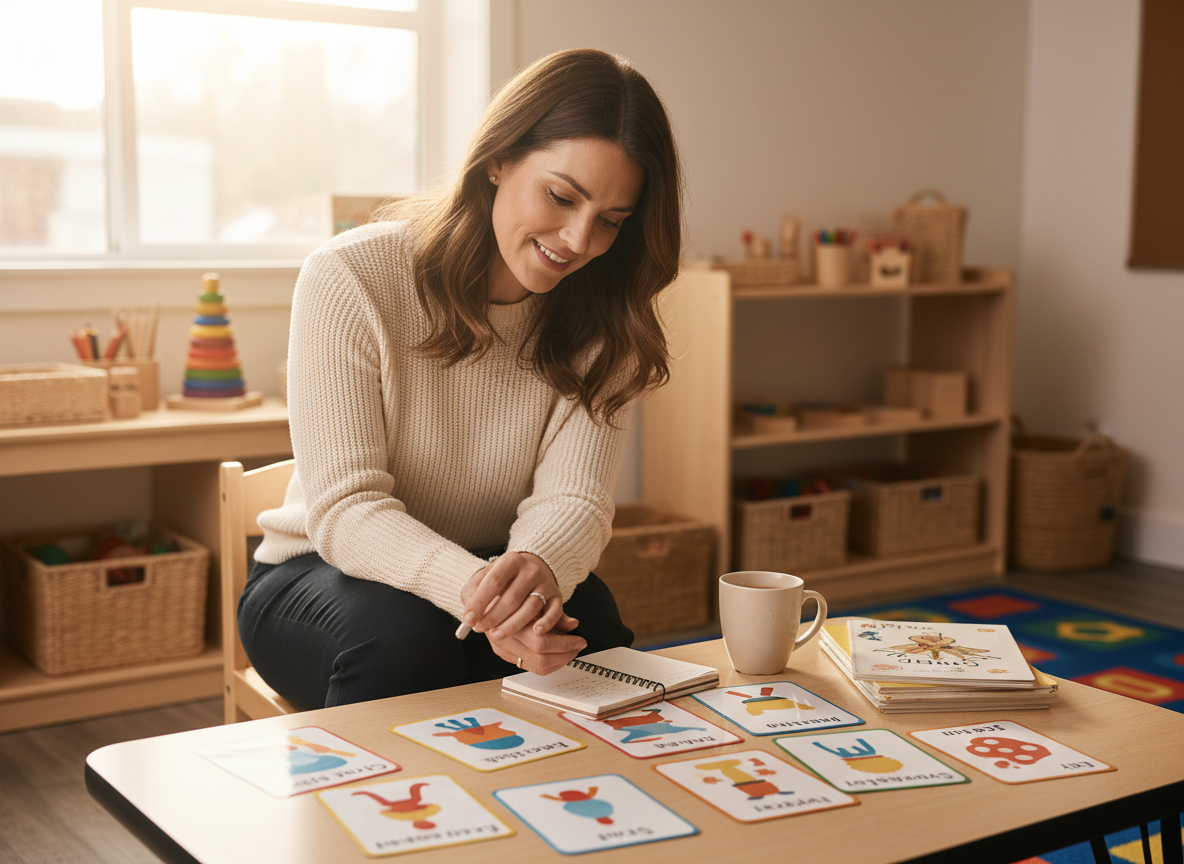
Before you close out this week, take two minutes to write: What classroom behavior stood out to you, when did it tend to show up, and what is one adjustment you will carry into next week? Use that reflection to walk into Monday with a plan instead of just a hope. What is one behavior you’re committed to looking at with fresh eyes next week—and what small change will you try?
Cristina
For more practical support with preschool behavior, explore my book, 10 One-Page Fixes: Real Answers for Preschool Behavior Problems.


Leave a comment