After two days away from school — with different sleep schedules, routines, foods, and expectations — many children return on Monday needing time to readjust. When the start of the week feels harder than the rest of it, that is rarely defiance. It is re-entry. And how educators respond in those first moments can set the tone for everything that follows.
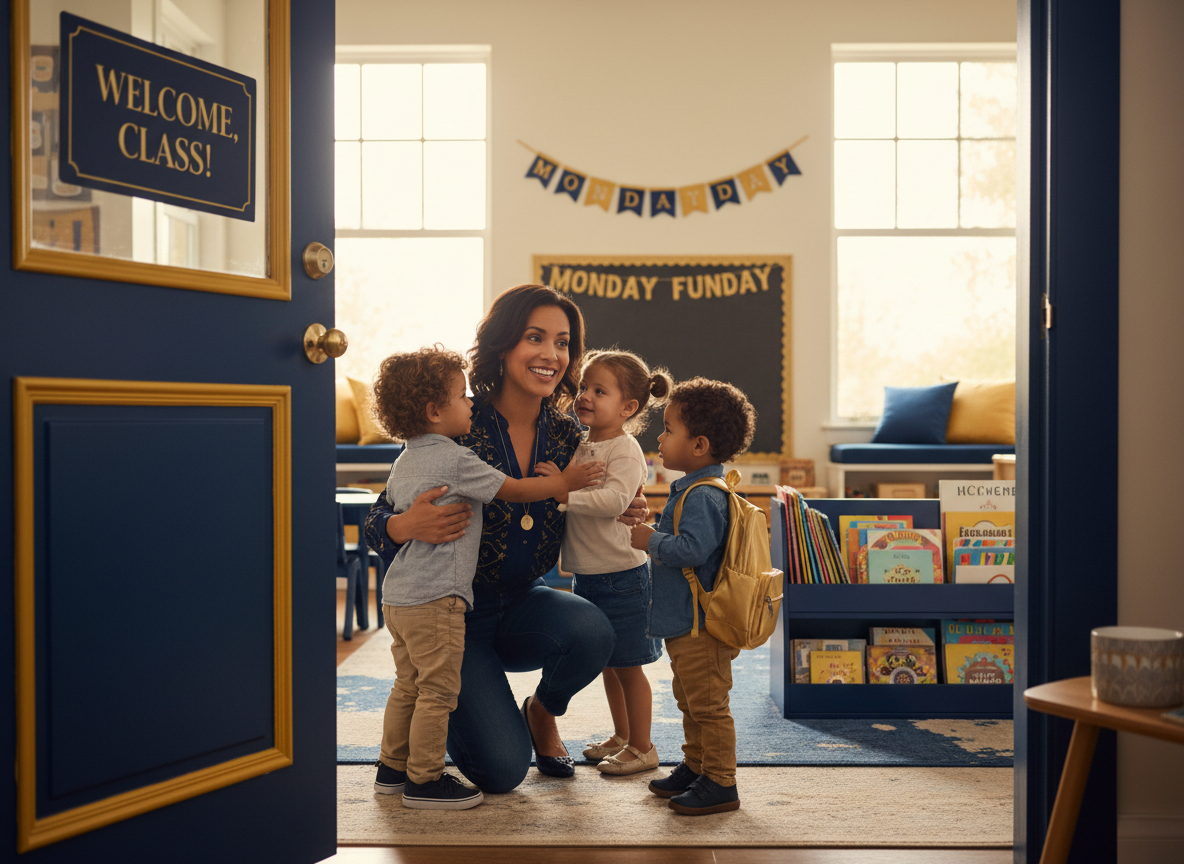
1. Reconnect First. Redirect Second. Before launching into circle time or your first lesson, build a intentional “weekend-to-Monday bridge.” Acknowledge the transition directly: “Who had a different routine this weekend? Me too. Sometimes Mondays feel different — and that’s okay.” Normalizing the shift signals to children that you see them, not just their behavior. Connection is not a detour from your instruction. It is the foundation of it.
2. Reteach One Routine. Make It Count. Identify the Monday routine that most consistently breaks down: lining up, cleaning up, transitioning to circle. Then treat it like the first day of school. Say: “We’re going to practice this together. Watch me first.” Model it slowly. Let children practice. Recognize the effort, not just the outcome. This focused repetition builds the muscle memory children need to navigate transitions with confidence.
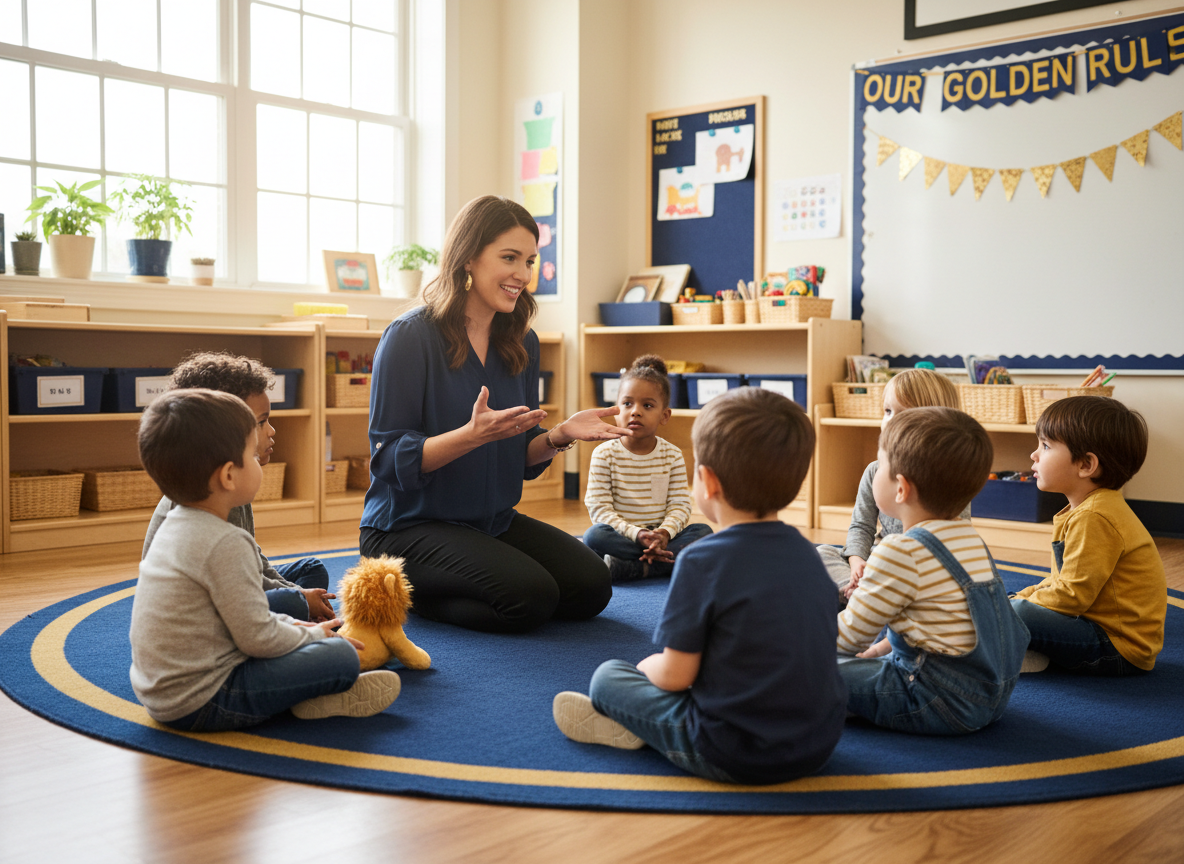
3. Assign Purpose Before Behavior Demands It. Many Monday behaviors are bids for connection, regulation, or a sense of belonging. Get ahead of them. Assign simple, meaningful roles before the day begins — door holder, light helper, plant waterer, chair checker. When children feel purposeful and valued, they are far more likely to stay regulated, engaged, and cooperative throughout the morning.
The bottom line: Mondays are not hard because children forget everything over the weekend. They are hard because children are adjusting — and adjustment takes support. When educators meet that adjustment with intention rather than frustration, behavior becomes easier to guide and learning becomes possible again.
Now it’s your turn: What is one Monday morning routine that consistently works in your classroom? Share it in the comments — your strategy may be exactly what another educator needs to hear.
Cristina


Leave a comment