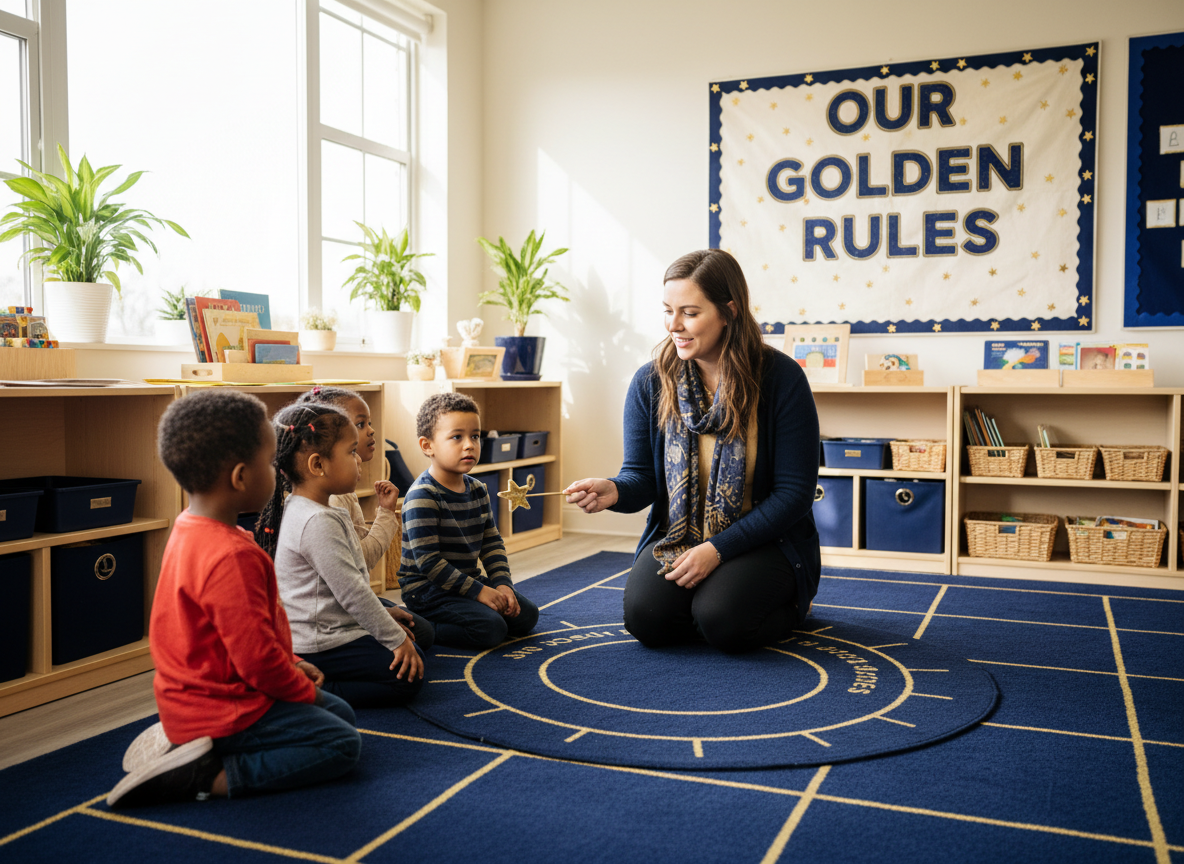
Transitions are more than moments of movement. They are opportunities to help students feel safe, prepared, and confident as they shift from one activity to the next. When transitions are handled with intention, the entire rhythm of the classroom changes.
Build Predictability
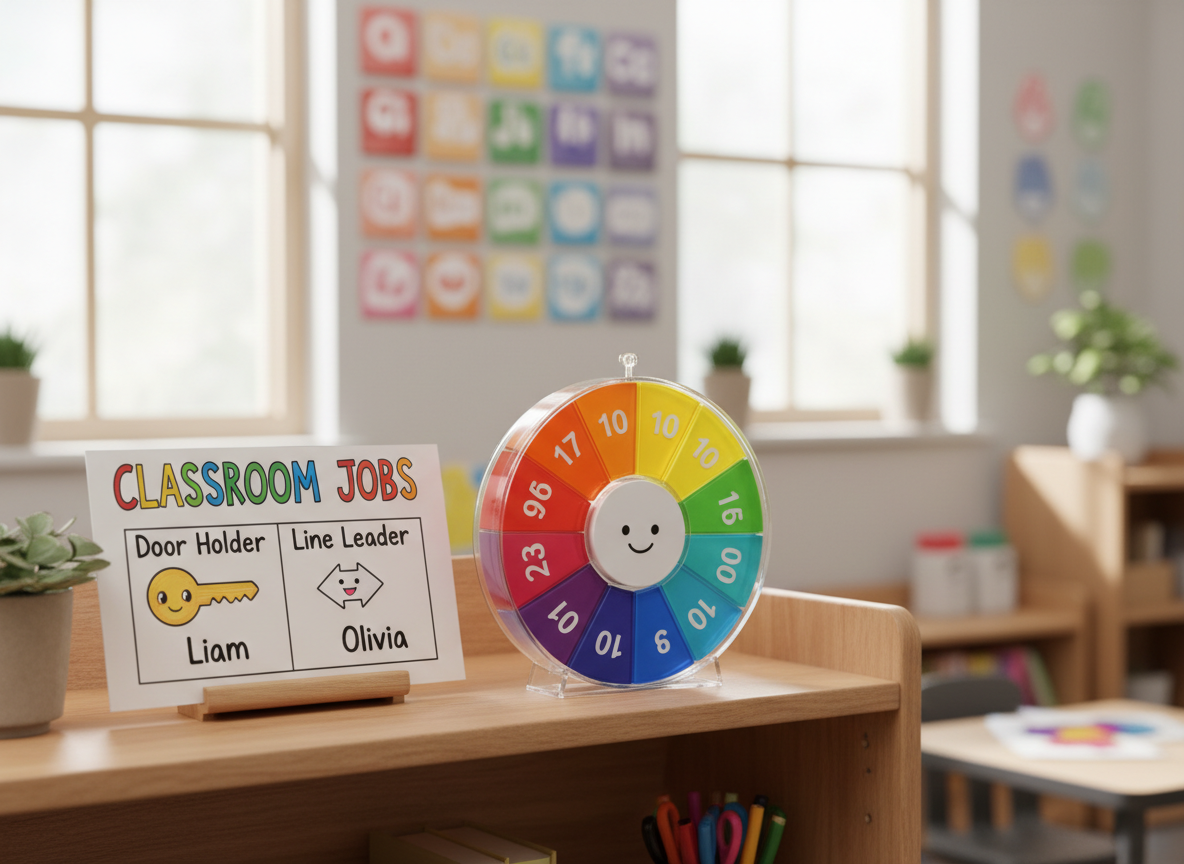
- Give students a job, not just a rule. Instead of “Line up quietly,” assign purposeful roles — door holder, light helper, chair pusher, line leader. When children know how they contribute, they stay focused and calm.
- Use one consistent cue. The same transition song, every time. A short, calm two-minute song without words works especially well. Predictable cues signal what’s coming next without a single word from you.
Lower the Energy
- Whisper the transition. A quiet voice invites students to pause and listen. “It’s time to go to centers,” spoken calmly, lowers the room’s energy and helps students shift without feeling rushed.
- The two-minute warning is for you, too. A visual timer supports students — but it also reminds you to slow down. When the teacher feels rushed, the room feels anxious. When the teacher stays calm, students follow.
Make It Meaningful
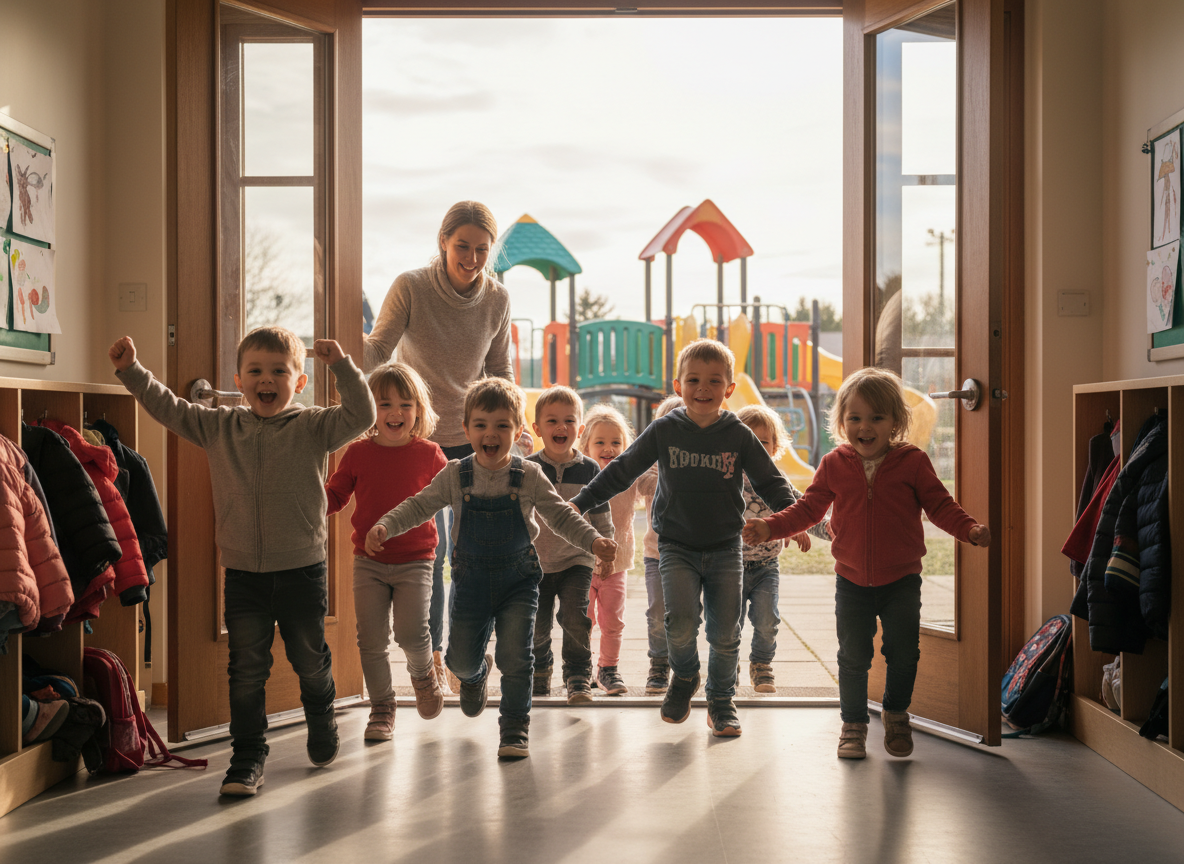
- End with a win, not a wait. Don’t let students transition only to sit and wait. Connect the moment to a positive outcome: “You cleaned up so quickly that we have two extra minutes outside.” Transitions work best when students understand the purpose and feel the benefit.
Which transition is the hardest for you right now?
— Cristina


Leave a comment