What you may be seeing
If you are noticing more calling out, shutdowns, or pushback this week, you are not alone. Weeks two and three are often when your students begin to test routines and limits. This does not mean they are “challenging kids”; it means they are learning whether expectations will stay consistent and whether your classroom is a safe place they can count on.
Some children may also be experiencing clear routines or classroom rules for the first time. As they encounter these structures, they are watching how you respond and deciding how safe it is to take risks, ask for help, and make mistakes.

What helps
- Name and model the routine. Do not assume your students remember what to do, especially when routines are still new. State the routine in clear, simple language, then walk through it step by step. Have students practice it with you so they experience what it looks, sounds, and feels like to meet the expectation.
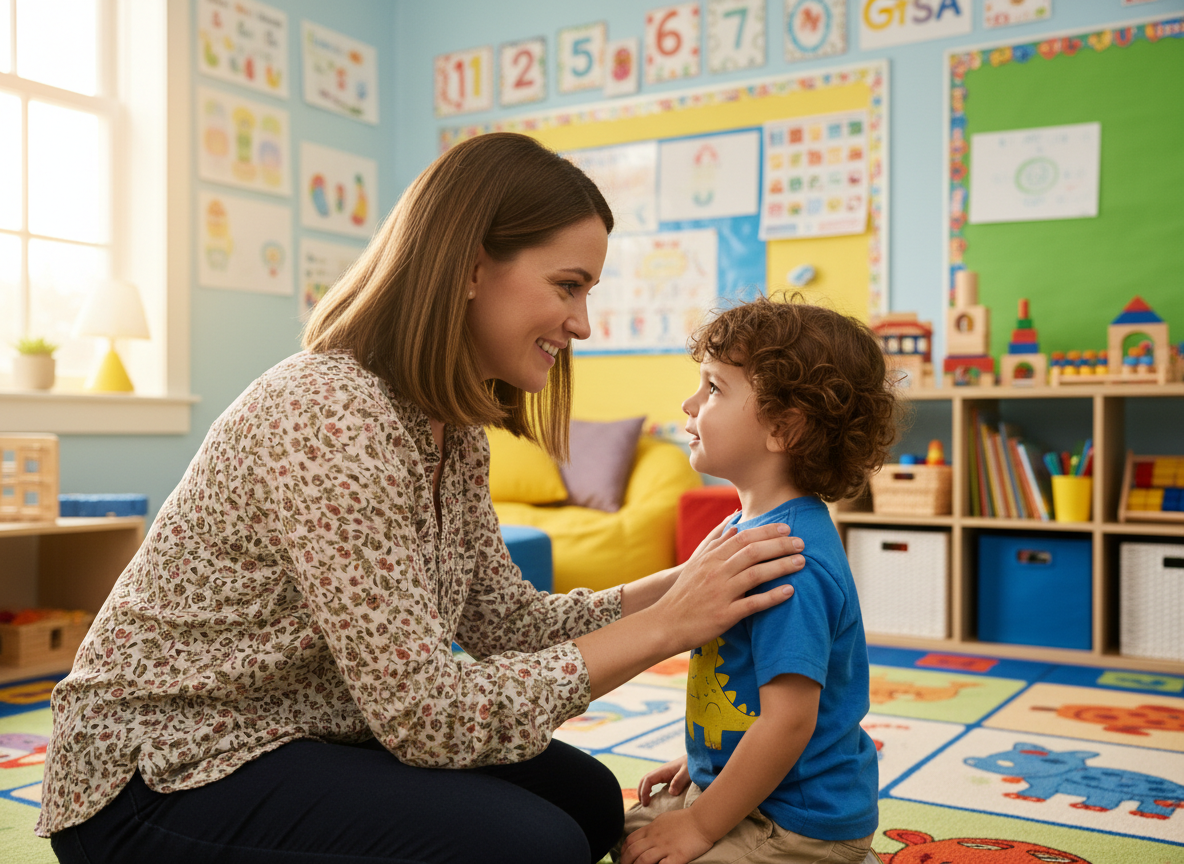
- Connect before you correct. When behavior starts to slip, begin with connection, then restate the expectation. You might say, “I can see this feels hard right now. My job is to help you. The expectation is…” When students feel noticed and respected first, they are more likely to respond to redirection and return to the routine.
- Partner with families early. Reach out before a concern grows. A short message can build trust and alignment, such as: “Here is how we support transitions at school. What strategies work well at home?” Inviting families into the problem-solving process helps you create consistent support for your students across home and school.
Small, consistent responses now can prevent more intense behaviors later. When you teach expectations with patience, clarity, and strong relationships, you help your students feel safer, more confident, and more capable of meeting those expectations.
Reflective question: What is one routine or expectation you need to intentionally reteach this week before the behavior escalates?


Leave a comment